



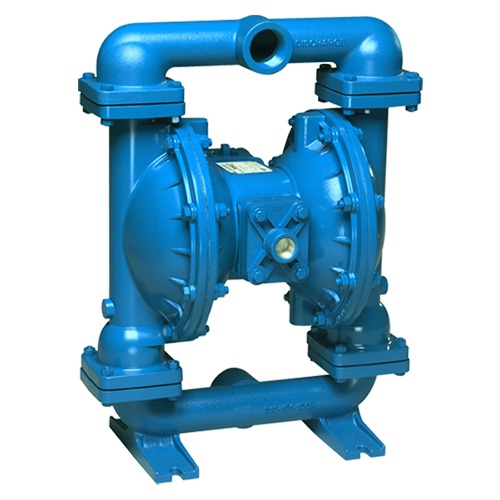
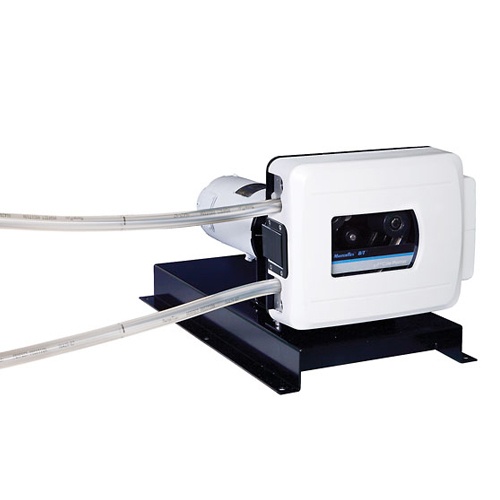








Wastewater sludge applications often require pumps that can handle high viscosity, solids and varying consistency. Progressive cavity and peristaltic or hose pumps are common options, while diaphragm pumps may also be suitable in some applications. Final selection depends on solids content, viscosity, required flow, pressure and the characteristics of the sludge.
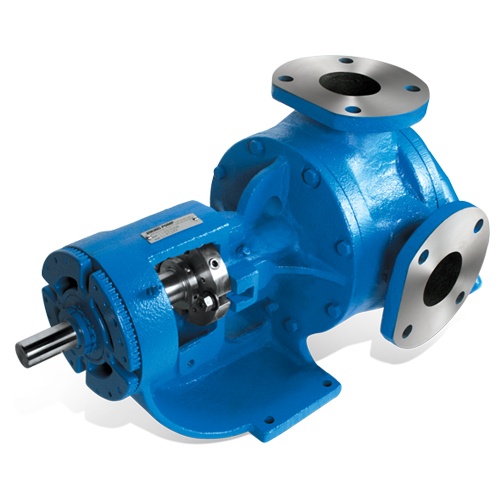
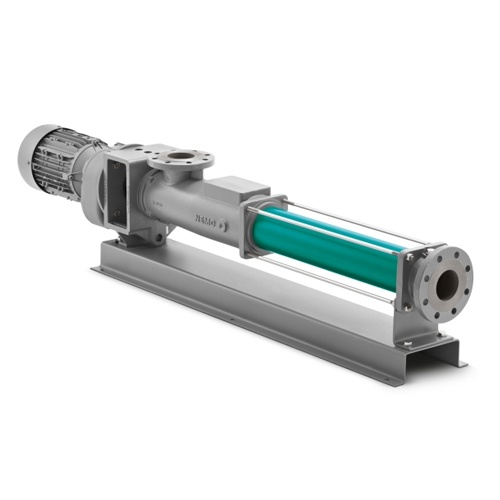
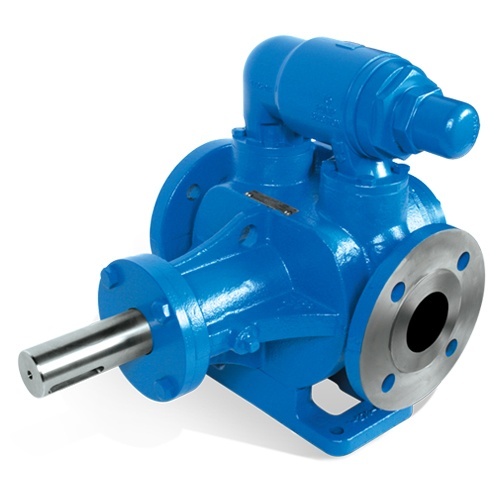
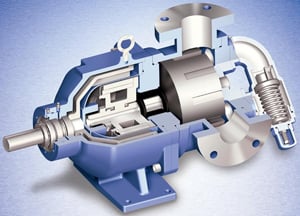
Gear pumps use meshing gears to move fluid and are commonly used for clean, viscous liquids such as oils, fuels and resins. Progressive cavity pumps use a rotating rotor inside a stator to move fluid in sealed cavities, making them better suited for viscous fluids, sludge and applications containing solids.
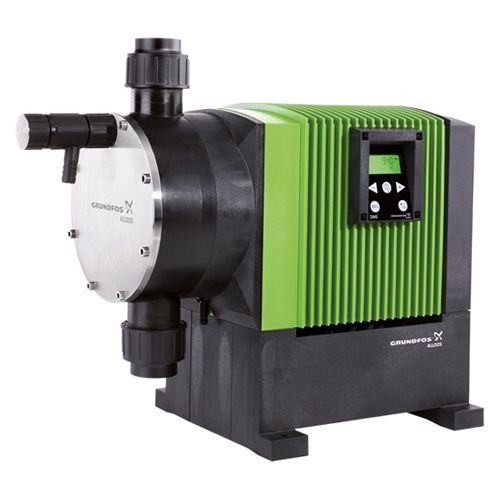
Metering and dosing pumps are commonly used when accurate chemical injection is required. Diaphragm metering pumps are often used for water treatment and chemical applications because they can provide controlled flow and isolate the pumped fluid from moving mechanical components
Rotary lobe, twin screw and progressive cavity pumps can be suitable for shear-sensitive food products because they can move fluids more gently than many higher-speed pump designs. Pump selection depends on viscosity, product sensitivity, sanitary requirements, cleaning method and required flow.
Positive displacement pumps can continue developing pressure if the discharge path is restricted or closed. For this reason, systems commonly require pressure relief or another form of overpressure protection. The appropriate protection depends on the pump design and system configuration.
Selection depends on the required flow and pressure, fluid viscosity, solids content, shear sensitivity, temperature, material compatibility and whether accurate dosing or sanitary construction is required. Crane Engineering can help evaluate these conditions and identify suitable pump technologies and manufacturers.
Positive displacement pumps are often a better fit for high-viscosity fluids, lower-flow applications, higher pressures, precise dosing or applications where flow must remain relatively consistent as system pressure changes. Centrifugal pumps are generally better suited for higher-flow, lower-viscosity applications.
Gear, progressive cavity, rotary lobe and twin screw pumps are commonly considered for high-viscosity fluids. The right choice depends on viscosity, solids content, required pressure, shear sensitivity, temperature and whether the application requires sanitary construction.
Typical sizing information includes required flow, differential pressure, fluid type, viscosity, temperature, solids content, shear sensitivity, material compatibility and operating conditions. For dosing applications, required accuracy and turndown may also be important.
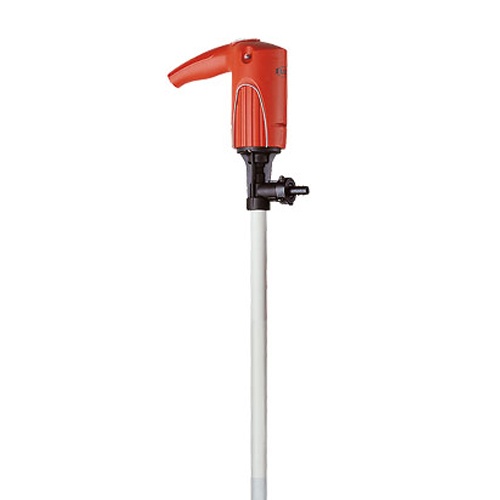
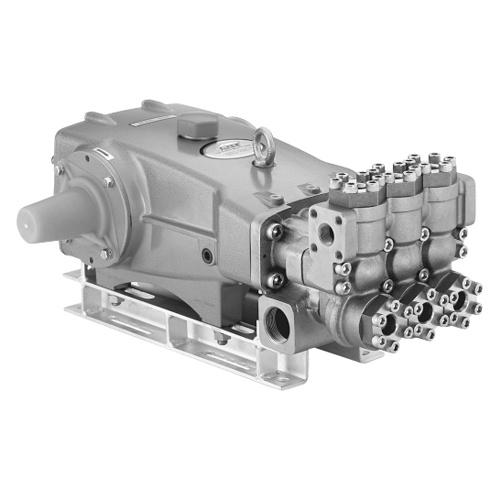
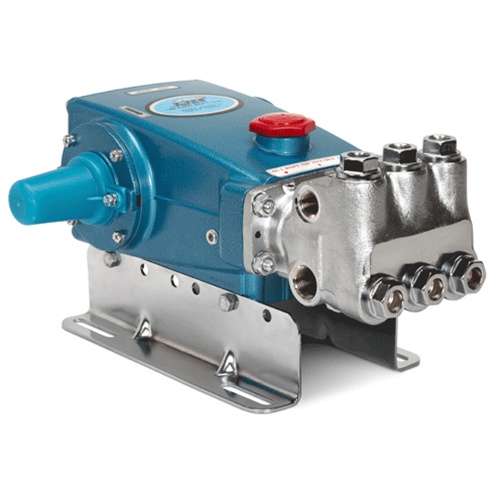
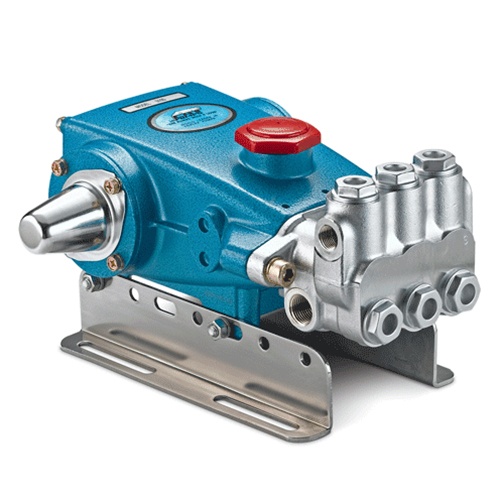
Crane Engineering offers a range of positive displacement pump technologies for industrial applications, including gear, progressive cavity, diaphragm, dosing, piston, plunger, rotary lobe, twin screw, vane, hose/peristaltic, and drum pumps. The right pump depends on factors such as fluid viscosity, required flow and pressure, solids content, shear sensitivity, temperature, and material compatibility.