




End Suctions Pumps
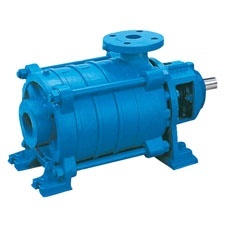
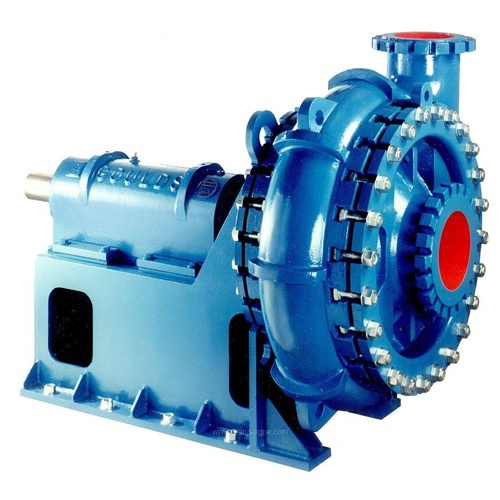
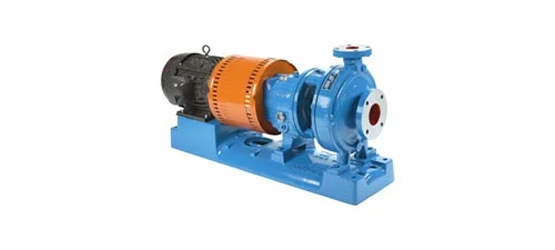
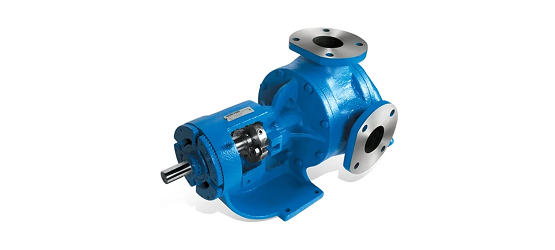
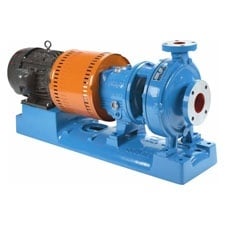
An end suction pump is a type of centrifugal pump that is commonly used with low-viscosity liquids

Crane Engineering helps customers across Wisconsin, Minnesota and Upper Michigan select, specify and support pumps for municipal and industrial fluid-handling applications. Our team combines application expertise with access to leading pump manufacturers to help match the right equipment to your process requirements.
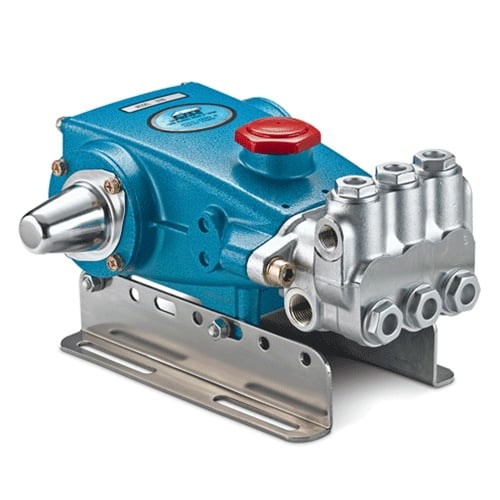
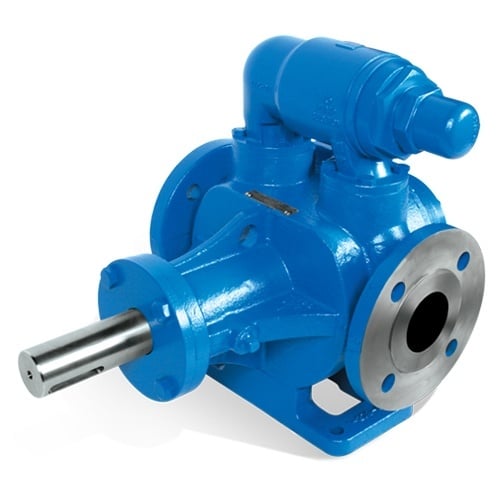
Centrifugal and positive displacement pumps solve different process needs. Centrifugal pumps are typically better suited to higher-flow, lower-viscosity applications, while positive displacement pumps are often preferred for viscous fluids, metering, and applications that require consistent flow.
Crane Engineering offers a broad range of pump technologies for municipal and industrial fluid-handling applications. Explore pump categories by design, operating conditions and application requirements to find the right starting point for your system.
Centrifugal pumps are widely used for water, wastewater, cooling, process liquids and other applications requiring continuous flow.
An end suction pump is a type of centrifugal pump that is commonly used with low-viscosity liquids
Multistage pumps utilize several impellers and diffusers in series to incrementally increase the pressure capability at a given flow rate.
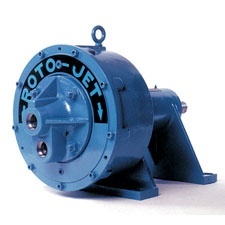
Pitot tube pumps are classified as centripetal pumps because they add energy to the fluid by increasing fluid momentum.
Drum pumps are portable pumps used exclusively to transfer liquids from one container to another.
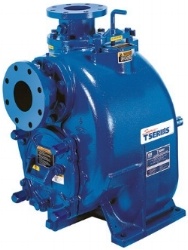
Self-priming pumps are centrifugal pumps that evacuate an air-liquid mixture to reach a fully primed pumping condition in order to start the pumping process.
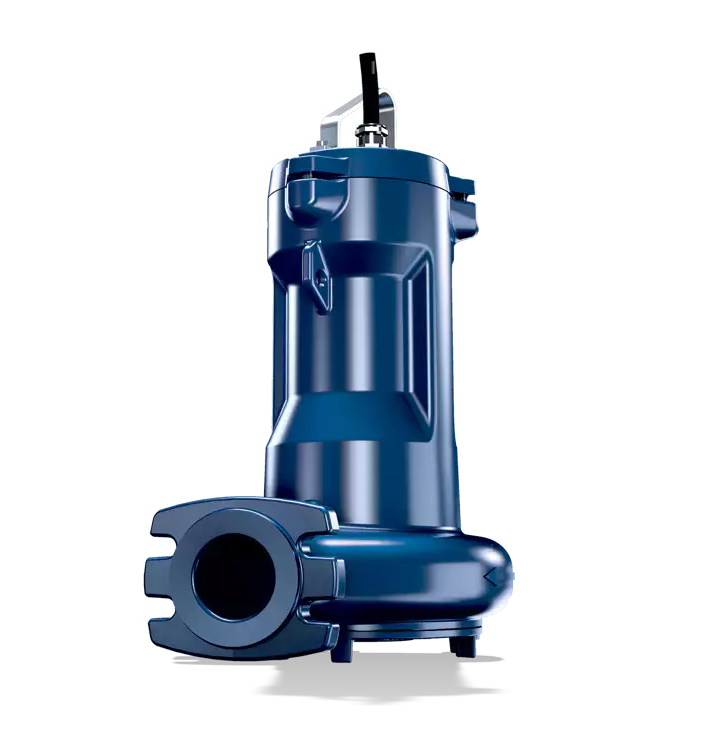
A submersible pump is a centrifugal pump designed to operate while fully submerged in the fluid being pumped.
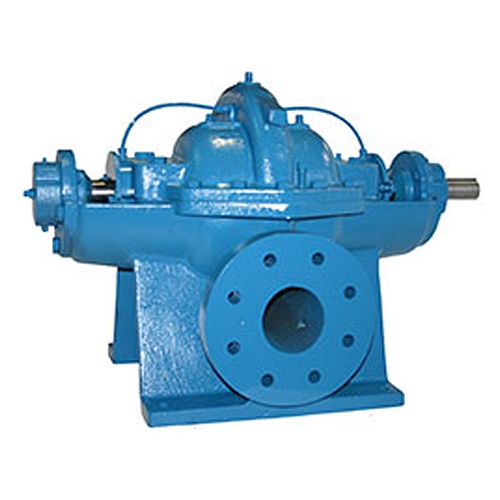
A split case pump is a centrifugal pump that has two internal inlets to the impeller, ie. double suction, supported between bearings.
Vertical inline pumps have the inlet and outlet in line with the piping. These pumps have a vertical drive shaft.
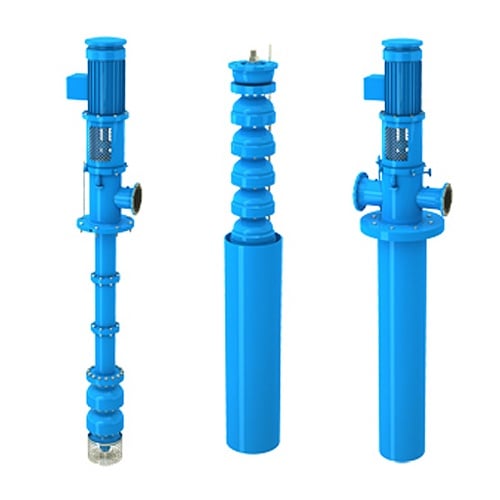
Versatile centrifugal pumps for water transfer, process liquids, cooling and general fluid handling.

Positive displacement pumps are well suited for applications that require consistent flow, higher pressure or the handling of viscous and shear-sensitive fluids. Different designs are available for chemical transfer, metering, dosing, food processing and other demanding process applications.
As the top distributor and service provider in the Midwest, Crane Engineering offers comprehensive solutions tailored to your specific fluid handling needs. The right pump depends on more than the pump type. Flow, pressure, fluid properties, solids, viscosity, temperature, material compatibility and operating conditions all affect selection. Crane Engineering helps match pump technology to the process, not the other way around
Pump requirements vary by process, fluid characteristics, operating conditions and system demands. Crane Engineering helps identify the pump technologies best suited to each industry and application.
Proper pump selection starts with the operating conditions. These are the key factors Crane Engineering evaluates when helping select and size a pump for an application.
Crane Engineering supports pump systems from initial selection through ongoing maintenance, repair and rebuild. Our team helps customers improve reliability, reduce downtime and get more life from their equipment.
Source the right pump and supporting components from leading manufacturers for the application
Support proper installation, startup and integration so the system performs as intended.
Help keep pumps operating reliably through preventative maintenance, inspections and service
Diagnose pump problems and perform field or shop repairs to restore performance.
Cavitation occurs when vapor bubbles form and collapse inside the pump, often because suction conditions are inadequate.
Review suction conditions and operating point, then determine whether the issue is system-related or requires pump repair.
Low flow can result from changes in the system, restrictions, incorrect pump selection or wear inside the pump.
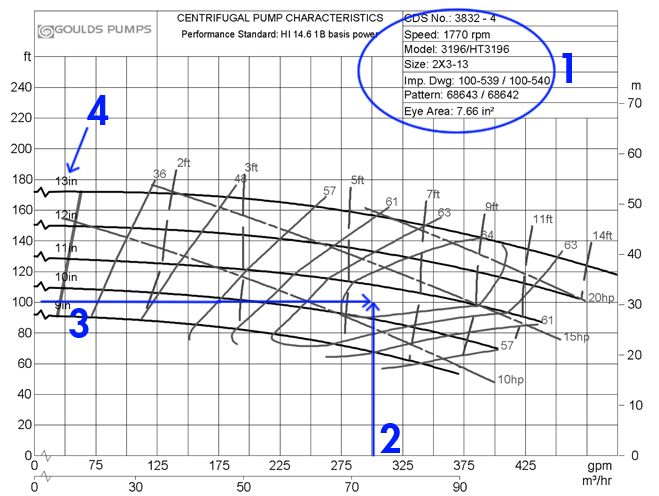
Compare actual operating conditions against the pump curve and inspect the system for restrictions or mechanical wear.
Excessive vibration can indicate a mechanical issue, hydraulic instability or a problem elsewhere in the system.
Identify whether the vibration is hydraulic, mechanical or system-related before replacing components.
Loss of prime occurs when a pump that requires priming loses the liquid needed to maintain suction, often due to air leaks, inadequate liquid levels, or suction system issues."
Inspect the suction side of the system and verify that the pump is operating within its intended priming conditions.
Mechanical seal problems are often caused by operating conditions rather than the seal itself.
Identify the root cause before replacing the seal to avoid repeated failure.
Excessive heat can shorten pump life and may indicate a mechanical, lubrication or operating-condition problem.
Check bearing condition, lubrication and actual system operating conditions before continued operation.
For over 80 years, customers have relied on Crane Engineering to be the advisor that provides technical solutions for industrial challenges. Whether it is a pump rebuild or repair, preventative maintenance, or a customized wastewater treatment plant upgrade, Crane Engineering has the experts to keep your fluid process operations running. Based in Wisconsin and serving the Midwest, Crane Engineering is your expert for fluid handling solutions.
Explore technical articles, guides and case studies from Crane Engineering’s team on pump selection, performance, maintenance and common operating challenges.
Industrial pumps generally fall into two main categories: centrifugal pumps and positive displacement pumps.
Common types include end suction, split case, vertical turbine, self-priming, submersible, gear, progressive cavity, diaphragm, rotary lobe, and other application-specific designs.
The appropriate pump type depends on the application, including required flow, pressure or head, fluid viscosity, solids content, temperature, material compatibility, and operating conditions.
Choosing the right industrial pump depends on factors such as flow rate, pressure, fluid properties, operating conditions, and application requirements.
Crane Engineering's pump specialists can help evaluate your process and recommend the best solution for performance, efficiency, and reliability.
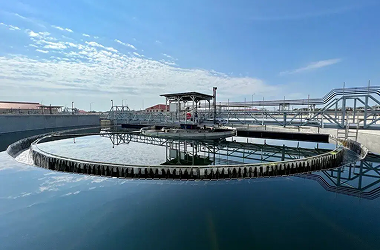
Crane Engineering offers centrifugal, submersible, solids-handling, and positive displacement pumps for industrial and municipal water and wastewater applications.
Our solutions support fluid transfer, wastewater collection, treatment processes, and challenging solids-handling requirements.
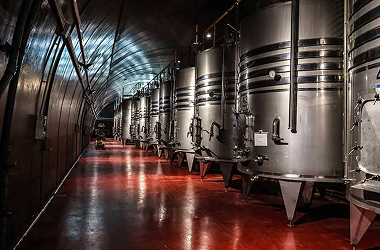
Crane Engineering provides sanitary and industrial pumping solutions for food and beverage processing, including centrifugal, rotary lobe, diaphragm, and other positive displacement pumps.
Our solutions support hygienic fluid transfer, product handling, cleaning processes, and efficient production operations.
Centrifugal pumps use a rotating impeller to move fluids and are commonly used for high-flow, lower-viscosity applications. Positive displacement pumps move a fixed volume of fluid per cycle, making them well suited for viscous fluids, precise dosing, and applications requiring consistent flow.
Headquarters and Service Center
Located outside Green Bay, WI
707 Ford St,
Kimberly, WI 54136,
United States
920-733-4425
OptiFlow Design and Build Center
1002 Truman St,
Kimberly, WI 54136,
United States
920-733-4425
Burnsville Service Center
12265 Nicollet Ave,
Burnsville, MN 55337,
United States
952-444-1949
Grand Rapids Service Center
26489 Industrial Blvd,
Cohasset, MN 55721,
United States
952-444-1949
© Copyright 2026. Crane Engineering. All Rights Reserved. Privacy Policy.